
"coffee export subsidy"
60 article(s) found

Nicaragua invests money to improve coffee production
The Nicaraguan government will spend US $25 million for local coffee producers to improve their farming techniques and overcome leaf spot disease. It is estimated that Nepalese coffee farmers will receive a subsidy of 1 U.S. dollar for the export of 1 piculs (quintal) of coffee. According to local media reports, the bill, passed by the Nicaraguan National Assembly last week, stipulates that the money will be used to help coffee makers obtain financing and technology.
Colombian Coffee, the most expensive Coffee in the World
A study by the Colombian Coffee planting Competitiveness Survey Group shows that at present, the price of Colombian coffee with a production cost of more than US $2700 per ton is the highest in the world, while the average production cost of coffee in Latin America is US $1450 per tonne, while the global average is only US $1400 per ton. Despite the subsidies given by the Colombian government to coffee farmers, the proportion of Colombian coffee exports in global coffee trade has dropped from nearly 25% in 1992 to

The best coffee in Venezuela is made in Montibelo in San Cristobal in Tazira.
The remaining 5.9 million kilograms of coffee in Venezuela last coffee year has not yet been found, and this year it will be difficult to find a market for another 7.9 million kilograms of coffee. As a result, more than 50, 000 small and medium-sized coffee farmers face the threat of bankruptcy. Experts from the Ministry of Agriculture are currently holding urgent consultations with coffee farmers on this issue. Ministry officials will study partial subsidies from the government and use this batch of coffee as a government-to-government project.

Burmese coffee| Burmese coffee production| Myanmar coffee varieties
Coffee beans from Myanmar (Weixin Official Accounts cafe_style) In fact, Myanmar began to grow coffee beans at the end of the 19th century (AD 1885), but they were not widely cultivated. Only a small part of them were exported (not exported, because Myanmar and India were both British colonies at that time) to India and India.

Raw sugar futures fell to their lowest level in 2010, while Arabica coffee hit an one-year low.
Intercontinental exchange (ICE) raw sugar futures fell more than 2% to the lowest in nearly five years, dragged down by technical selling for a third day, while Arabica coffee futures hit an one-year low. London cocoa futures rose to a five-week high. Raw sugar futures continued this week's plunge, attracting technical sellers, traders said, putting pressure on futures prices yesterday as India approved subsidies for raw sugar exports. I

Fair Coffee "We want a reasonable price"
There are only two kinds of coffee: fair Coffee and unfair Coffee. Unfortunately, it is "unfair coffee" that is flooding the international coffee market. Although the price of cappuccino has been on the rise, the price of coffee beans has been on the rise in the past 10 years.
Ethiopia's coffee bean exports pick up but face falling prices
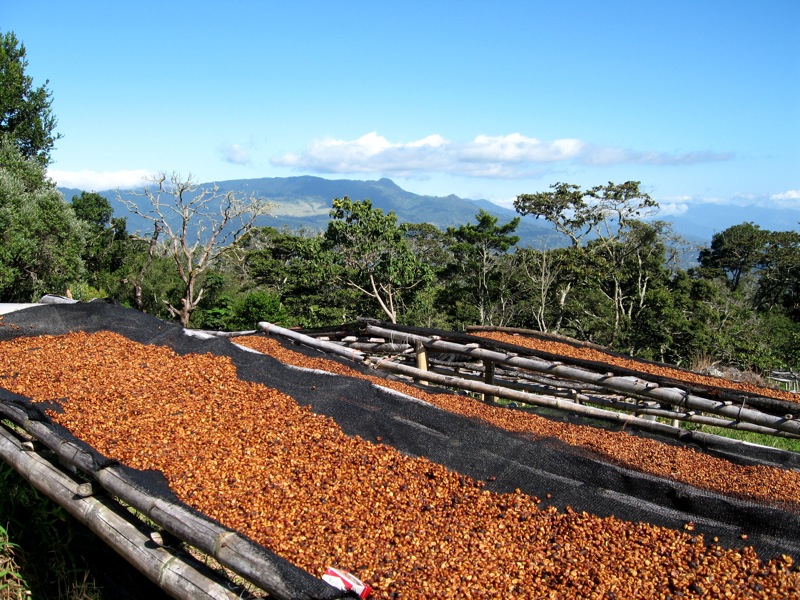
According to the Volta Information Center on March 11, Ethiopia exported 73227 tons of coffee in the first half of fiscal year 15 (July-December 2014), with a total sales revenue of US $30.75 million, reaching 99.5 per cent and 114.3 per cent respectively. The coffee export target for this fiscal year is 235950 tons, with a total sales revenue of US $86.25 million. The article said that the increase in coffee income in the first half of the fiscal year was mainly due to the rebound in export prices.

A Brief Introduction to the Flavor Description of Coffee Beans Made in Yunnan Province
Introduction to Yunnan Coffee Production Ding Ruirong, Director of Wanning City Bureau of Industry and Science and Technology Information Industry, told reporters that in 2009, the local government started coffee planting subsidies in order to support the coffee industry. In that year, farmers were supported to expand nearly 300 mu of coffee. This batch of coffee only began to bear fruit last winter and this spring. In 2009, the government also subsidized the existing coffee fields at that time, subsidizing 365 mu.
Colombian Coffee has become the most expensive Coffee in the World
According to a report in the Colombian Times on November 6, a study by the Colombian coffee planting competitiveness investigation team shows that at present, the price of Colombian coffee with a production cost of more than US $2700 per ton is the highest in the world, while the average production cost of coffee in Latin America is US $1450 per ton, while the global average is only US $1400 per ton. Although the Colombian government subsidizes coffee farmers, Costa Rican coffee exports account for the world's coffee.

Colombian Coffee has become the most expensive Coffee in the World
According to a report in the Colombian Times on November 6, a study by the Colombian coffee planting competitiveness investigation team shows that at present, the price of Colombian coffee with a production cost of more than US $2700 per ton is the highest in the world, while the average production cost of coffee in Latin America is US $1450 per ton, while the global average is only US $1400 per ton. Although the Colombian government subsidizes coffee farmers, Costa Rican coffee exports account for the world's coffee.

Coffee bean trading LIFFE3 monthly coffee futures suffered a setback
ICE raw sugar futures fell to a two-and-a-half-week low on Friday as investors further expected that excess inventories would not be digested as quickly as previously thought. Arabica coffee futures rose today, but fell for the fifth month in a row. Cocoa changed from a decline to a rise due to technical buying after falling to an one-year low. March raw sugar futures closed down 0.06 cents, or 0.4%, at 14.79 cents per pound.

The cash on the account is expected to be burned up by the end of September! Luckin Coffee submitted a prospectus for listing
Professional coffee knowledge exchange more coffee bean information please follow the coffee workshop (Wechat official account cafe_style) Luckin Coffee is really going on the market. Today, Luckin Coffee formally submitted a prospectus to the US Securities and Exchange Commission, intending to land on NASDAQ to raise US $100m. Lucky IPO, who has been stuck in the stage of rumors and speculation, finally got hammered. A lot of accumulation

Kenny Neri Fine Coffee Kenny Neri Fine Coffee Co-operative Day
Professional Coffee knowledge Exchange more Coffee Bean Information Please note Coffee Workshop (Wechat account cafe_style) Front Street-Kenny Trade Cooperative Kenya Othaya FCS Chinga Factory Natural Kenny Neri treatment: altitude: 1700-1950 meters above sea level: SL28, SL34 level: AA production area

Introduction of Coffee from Columbia Condor Company in Linglong producing area of Columbia
Professional coffee knowledge exchange more coffee bean information please follow the coffee workshop (Wechat official account cafe_style) Colombia is currently the third largest coffee producing country in the world, after Brazil and Vietnam, first planted coffee in the 1830s, to the 20th century coffee accounted for the largest export crops, the unique mountain terrain coupled with a variety of micro-climate, provides an ideal planting ring
Kenny Neri Fine Coffee Kenny Neri Fine Coffee Co-operative Day
Professional coffee knowledge exchange more coffee bean information please follow Coffee Workshop (Wechat official account cafe_style) Front Street-Kenyan Trade Co-operative Kenya Othaya FCS Chinga Factory Natural Kenny Neri processing method: Japanese altitude: 1700-1950 meters above sea level: SL28, SL34 level: AA production area

Is there anything special about the flavor of Fairtrade coffee? What is the way of Fairtrade coffee?
Professional coffee knowledge exchange more coffee bean information Please follow the coffee workshop (Wechat official account cafe_style) Coffee is the second largest commodity in global trade after oil, with tens of millions of people engaged in coffee cultivation, processing and trade. In Ethiopia, 1 / 5 of the country's population makes a living by growing or processing coffee, accounting for 65% of the country's total exports

The traditional coffee producing area has made a comeback and changed the way of fine coffee.
The story takes place in Puerto Rico. Puerto Rico used to be a major coffee producing area more than a century ago, but coffee production here has been declining for nearly half a century, and now it is only about 10 million pounds a year, a drop in the bucket compared with the past. the acreage of coffee fell from nearly 200000 acres in the 1960s to about 40,000 acres in 2010. At the same time, coffee exports are even more.

The traditional coffee producing area began to take the boutique coffee route. Puerto Rico was once the main coffee producing area.
Puerto Rico used to be a major coffee producing area more than a century ago, but coffee production here has been declining for nearly half a century, and now it is only about 10 million pounds a year, a drop in the bucket compared with the past. the acreage of coffee fell from nearly 200000 acres in the 1960s to about 40, 000 acres in 2010. At the same time, there are even fewer coffee exports. Farm reduction

A brief introduction to the cultivation of boutique coffee beans in Bolivia
The advantage of Bolivian coffee lies in its high altitude and excellent varieties of coffee, where the traditional Tibica and a small amount of Kaddura are highly valued in the world market. In the past, coffee trees in Bolivia used to act as hedges and ornaments around the garden. Real commercial production began in the early 1950s. The great frost in 1957 seriously damaged Pakistan.

Forecast of seven trends in the development of brand chain 2017 coffee shops
Set up a low bar on all sides in the central area, the seating area is around the bar, and the height of the tables and chairs is set below the waist after accurate measurement, so as to keep everyone's line of sight at a comfortable height. The fully open design of ▲ 's open bar allows customers to watch all the steps from baking beans to filling coffee. Unexpectedly, also